Garden Design - What It Is (and Why It Matters)
TL;DR - What Garden Design Actually Is
Garden design is the process of planning the function and layout of an outdoor space (before choosing plants)
It brings together structure, layout, and planting to create a cohesive, beautiful, and usable garden
Gardens often feel “off” because design decisions were skipped, not because plants failed
Garden design isn’t a talent — it’s a process anyone can learn and enjoy.
If you want the short version, that’s it. If you want the full explanation, keep scrolling ⬇
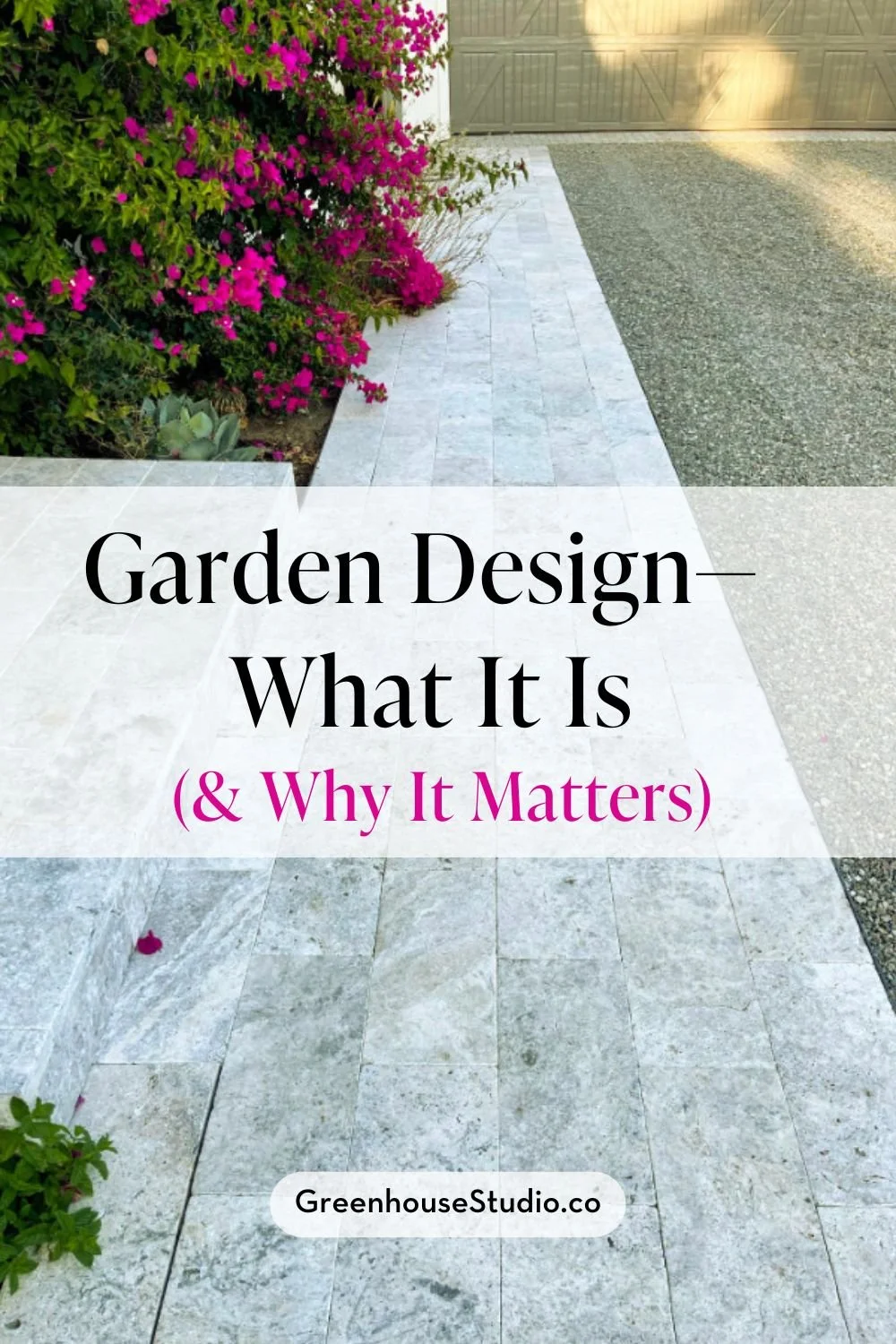
Garden design: Tina Flint Huffman, Greenhouse Studio
The goal of landscape design is to create a cohesive, usable, and beautiful environment that serves the owner's needs and works with the site's conditions.
NOTE: My aim here is to give you an overview of garden design. Then we’ll get into the details in subsequent posts. Reference this post as you plan your garden.
What garden design is not about:
It’s not about picking plants first, and it’s not about getting everything right all at once.
Garden design is about making a few key decisions early so the garden has a clear direction instead of feeling like a collection of disconnected choices.
When those questions are answered up front, (we’ll get to them next) the garden starts to make sense before a single plant goes in the ground.
A well-designed garden feels intentional without feeling rigid. It works with the house instead of competing with it. It’s comfortable to move through. And it still leaves room for change, growth, and experimentation over time.
When design is missing, the garden often feels haphazard and random. You can have healthy plants, good soil, and plenty of effort invested, but it still just feels “off”.
I approach garden design as a planning and spatial discipline, based on my formal training in landscape architecture and ornamental horticulture. And I always like to say:
"Once the bones are in place, everything else falls into place." 🦴
This page explains what garden design actually is, how it differs from gardening, and why understanding that difference transforms how your garden comes together.
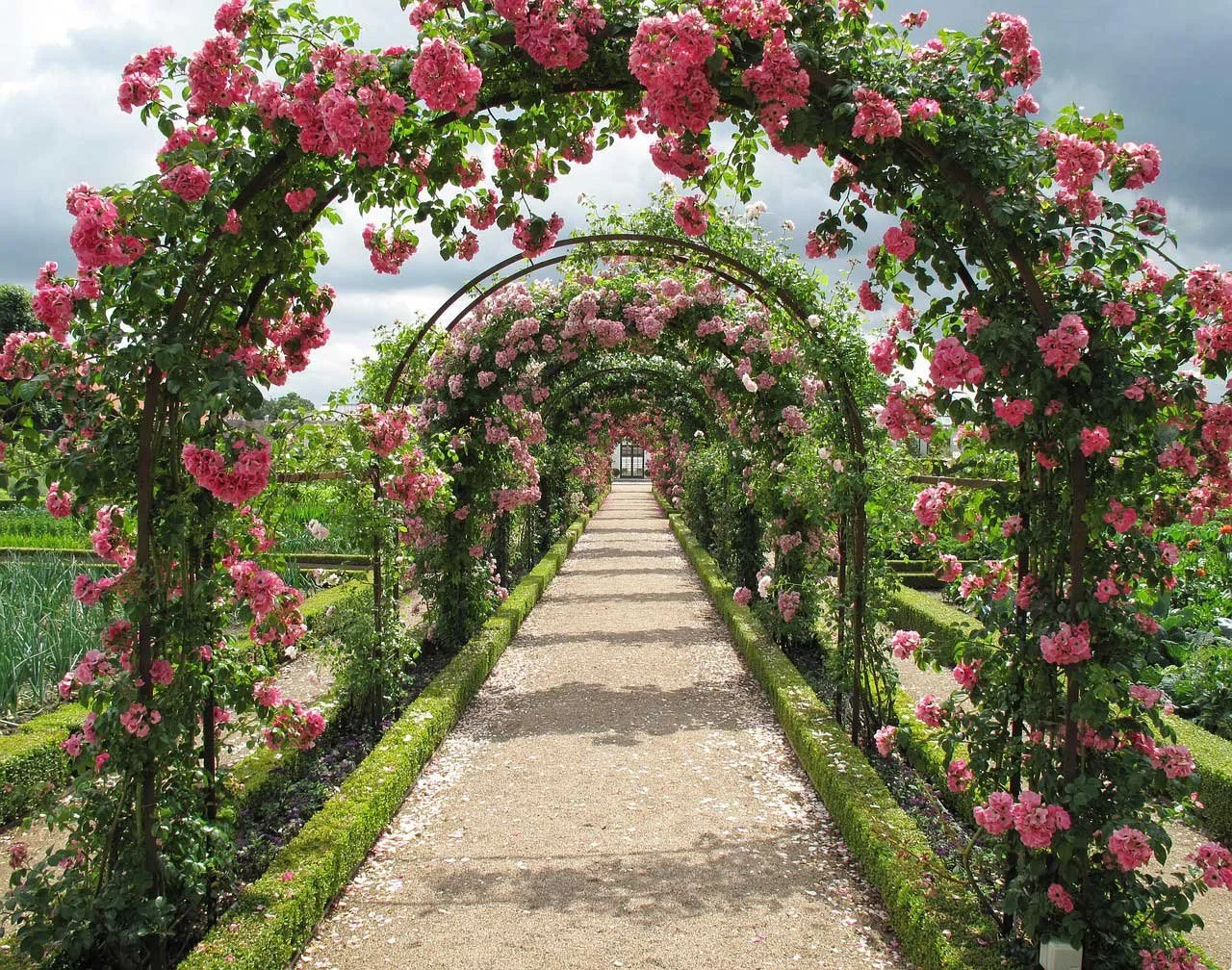
What Garden Design Actually Is (and Isn’t)
If you love plants but feel unsure about “all of that design stuff”, like layout or structure, start here.
Garden design is the phase where the underlying framework of your garden is worked out. (aka “the bones”🦴) It focuses on layout, proportion, circulation, hierarchy, and function — the same fundamentals used in architecture and interior design, applied outdoors.
However, every garden design starts with this basic question:
How do you want to use the space?
That might mean:
a place to sit and unwind at the end of the day
space for kids or pets to move around
an area for entertaining or outdoor dining
a garden that looks good from inside the house
A kitchen garden to grow herbs, veggies, and fruit
something simple and low-effort to care for
Until those needs are clear, design decisions can’t move forward - because the garden hasn’t yet been assigned its job(s).
Next, garden design answers questions like:
Focal points - What should the eye focus on, and what elements have more of a background/supporting role?
Transitions - How do people move through the space - and where do they stop and rest?
Cohesion - How do different areas of the garden relate to each other and to the house?
Plants absolutely matter (they’re my favorite part by far) but they’re part of the expression, not the starting point. Once the structure is clear, plant decisions are much easier to make.
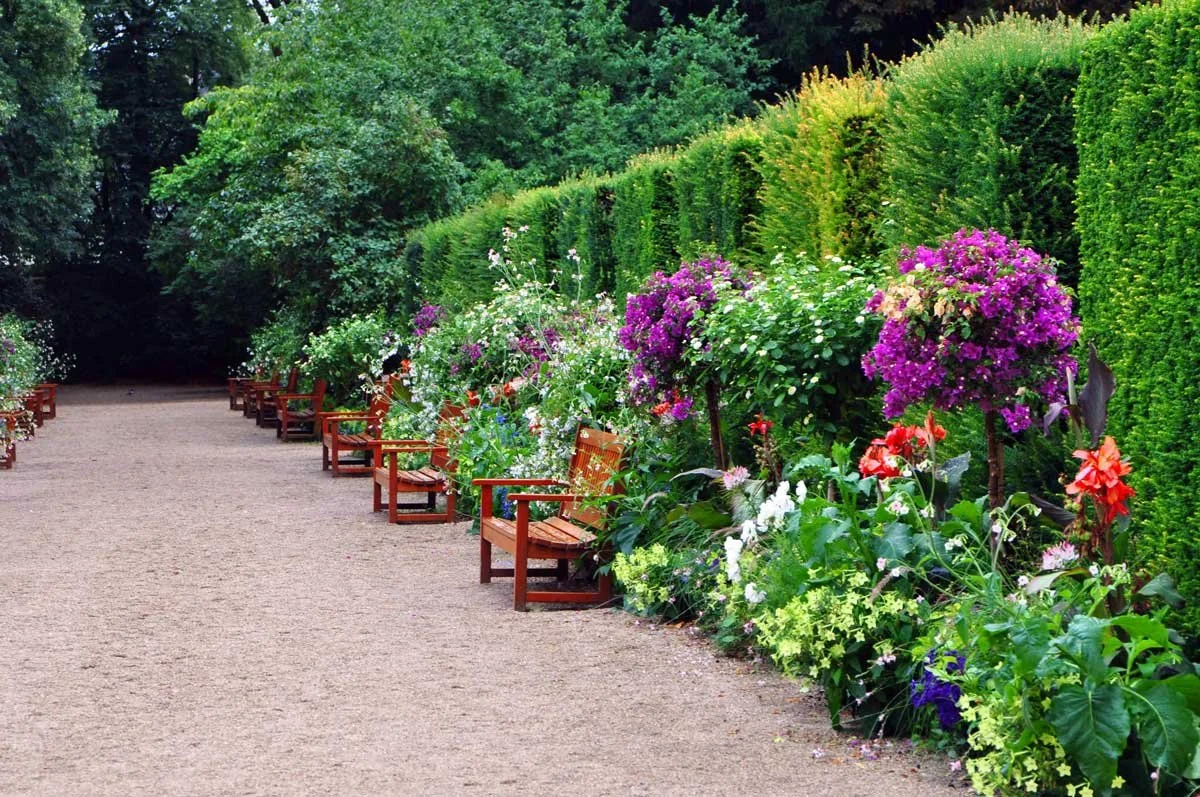
Garden design example showing strong structure with clipped hedges supporting a layered floral border. The design ideas at this botanic garden are easily translated into a small residential garden.
Garden Design vs. Gardening
This distinction explains a lot of common frustration.
Gardening is about caring for plants: watering, pruning, fertilizing, troubleshooting, and keeping things alive.
Garden design is about organizing space: deciding where things go, how they relate, and why they belong there.
You can be great at gardening (aka horticulture - growing the plants) but still have a garden that misses the mark. (I would argue that many gardeners fall into this category :)
You can also have a strong garden design even while you’re still learning plant care.
In a nutshell, design gives the garden direction. Gardening keeps it going.
If the garden direction isn’t clear, most people default to adding more plants to fix the problem. We've all been there, myself included. Buying and adding plants is fun, but if it's not done with intention, it usually just adds to the chaos.
A garden design helps you understand what the garden actually needs before you invest more time, money, or energy.

Gardening vs. garden design: Gardening is planting and maintaining plants. Garden design is the plan, structure, and layout of the overall garden.
Why So Many Gardens Feel “Messy”
If your garden feels visually chaotic - there are specific, fixable reasons causing it.
Most gardens don’t feel random or “off” because the plants are wrong. (Although planting for the wrong climate can certainly contribute.)
They feel off because the space was never planned as a whole, for example:
No clear focal points — the eye doesn't know where to rest
Outdoor spaces that don’t reflect how the yard is actually used or how people want to use it
Planting beds with no defined edges
Too many different plant types competing for attention
Clashing color schemes
The absence of negative space (too ‘busy’) so the eye is overwhelmed
If you feel called out by any of this, please don't. None of this means you’ve done anything wrong. It usually just means the design step was skipped.
Plant shopping is fun. Designing can feel harder - at least at first. So most people jump straight to the enjoyable part and hope it all comes together later. It's so tempting. (I’ve been there myself.) It's well worth the extra time and effort to put together a simple but cohesive design plan.
Here's the good news: You don’t need professional training to understand garden design - just a willingness to plan before planting.
At its core, garden design is about asking a few key questions early, and then giving your garden a simple structure to grow into.
Garden Design Is a Process - Not a Talent
One of the biggest misconceptions about garden design is that it’s something you either “have an eye for” or you don’t.
In reality, garden design is much more a process than a creative talent. Your outcomes improve not because you’re more artistic, but because you’re asking the right questions in the right order, and then you do it enough times that you get good at it.
Design is a skill that can be LEARNED just like any other skill. (I’m living proof.)
Design problems usually show up when the sequence is backwards, e.g. when decisions are made in isolation instead of as part of a whole.
Plants are chosen before spaces are defined.
Materials are selected before circulation is clear.
Features are added before the garden has a role.
A design process fixes that by asking questions so you can create clarity.
You don’t need to know everything up front. You don’t need a full plan drawn to scale on day one. You just need a way to move from vague ideas to intentional decisions, step by step.
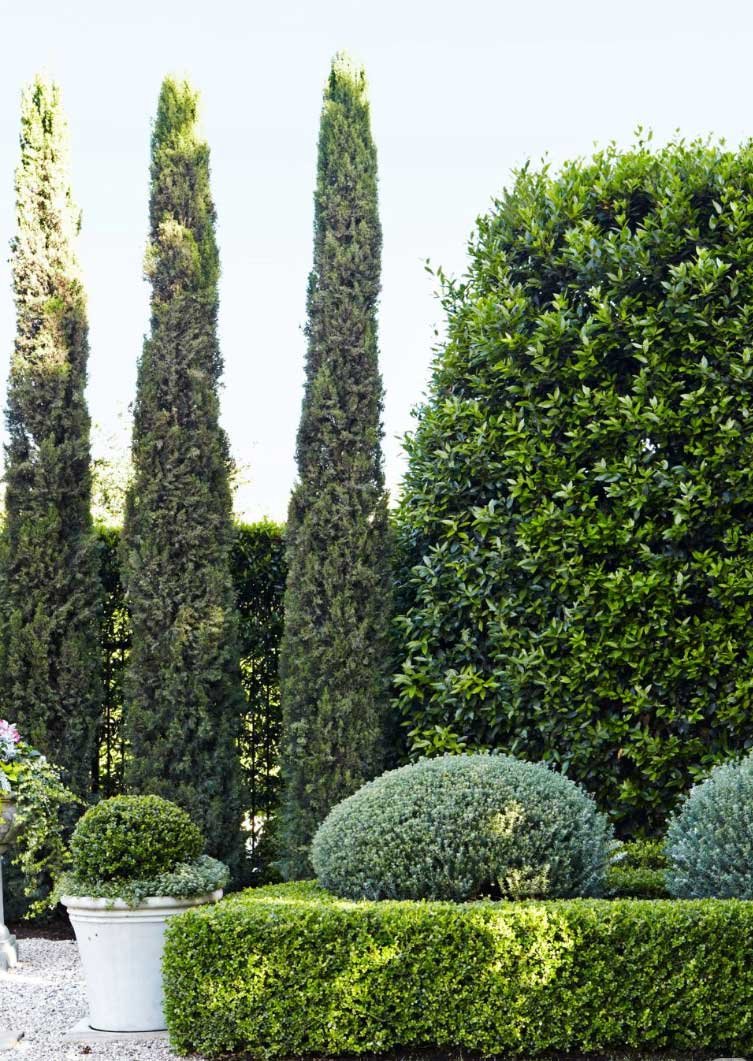
A beautiful example of strong form (great ‘bones’) via plant layers in a Los Angeles area garden by Margaret Carole McElwee
The Core Pieces of a Well-Designed Garden
While every garden is different, well-designed gardens tend to share a common underlying structure.
At a high level, garden design is built from a few core components:
Function
How the garden is meant to be used — not hypothetically, but realistically.Layout
How spaces are arranged, shaped, and connected.Circulation
How people move through the garden, and where movement naturally slows or stops.Hierarchy
What stands out, what supports, and what stays quiet in the background.Structure
The elements that give the garden form year-round — paths, edges, walls, hedges, hardscape, and spatial boundaries.Planting
The layer that brings life, texture, color, and seasonal change once the framework is in place.
You don’t need to solve all of these at once. But ignoring them entirely is what leads to gardens that feel disorganized or unfinished, no matter how many plants (or garden gnomes) are added.
Garden design is simply the act of addressing these pieces intentionally instead of accidentally.
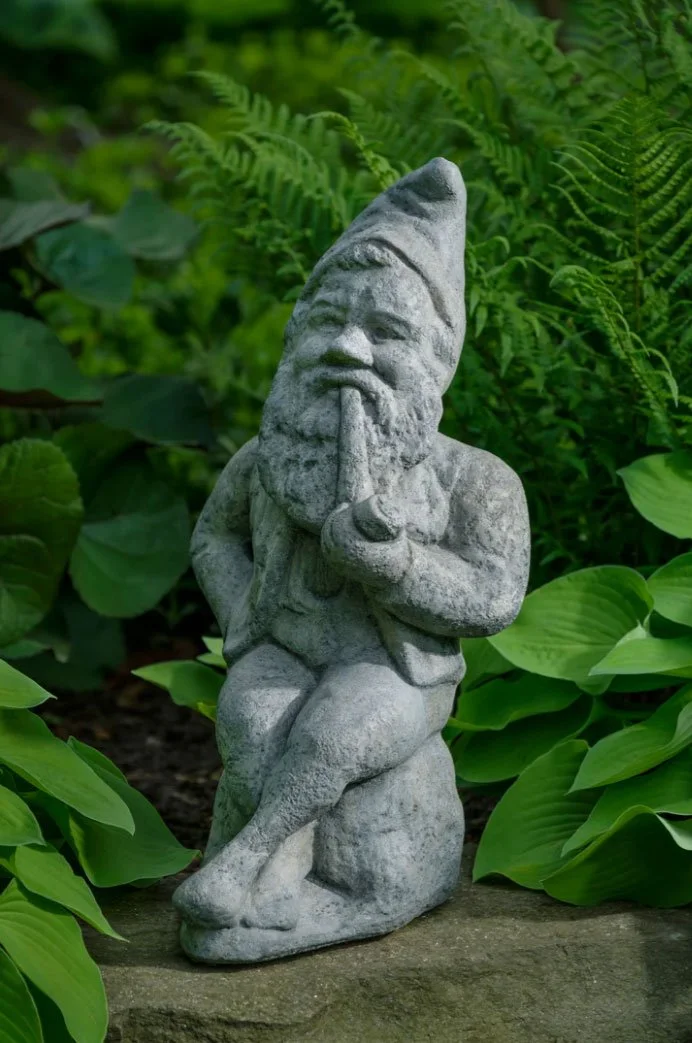
Here’s a garden gnome I could actually get behind. (Birdsall & Co.) Seriously though, garden design skills can be learned, just as you can learn to tie your shoes. It does not require some mystical, innate, “creative talent.”
Where to Start (Without The Overwhelm)
If garden design feels intimidating, it’s usually because people get caught up thinking they need some innate creative talent or that they need to have all the answers from the start.
You don’t.
Here’s how you actually start: with simple observation.
Before planning anything, much less buying anything, step back and look at your garden as it currently exists:
How do you want to use your outdoor space? How well does your garden support those desires?
How do you move through the space? Does it feel functional or awkward?
What views matter from inside the house?
What feels like it almost works, but not quite?
These questions don’t require design training. They require attention.
Once you get an idea of what’s working and what isn’t, design decisions become far less abstract. You’re no longer designing “a garden.” You’re responding to your specific place, with real constraints and opportunities.
That’s how garden design becomes manageable — and even enjoyable.
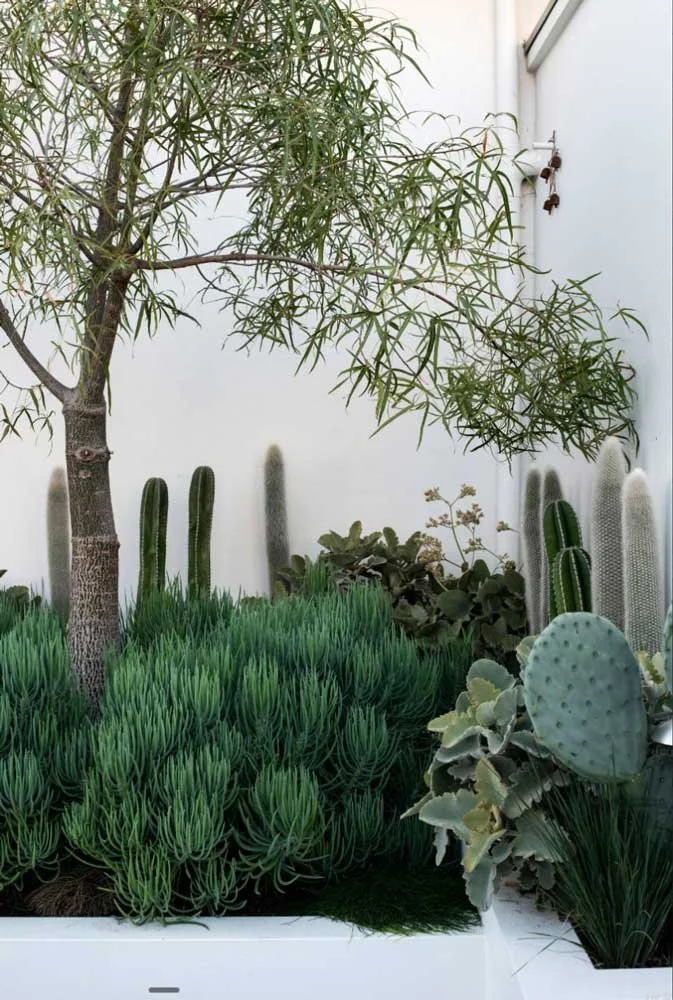
A cohesive garden design with a green and white color palette and a variety of forms & textures. Garden design: Stark Design
Why Design Makes Gardening More Enjoyable
There’s a common fear that planning will somehow take the joy out of gardening.
In practice, the opposite is true.
When a garden has a clear structure and criteria:
plant choices are intentional and fun instead of random
maintenance feels more purposeful
changes feel responsive instead of reactive and mistakes are much easier to correct
You stop second-guessing every addition. You start recognizing why something works — or why it doesn’t — and adjusting accordingly.
Garden design doesn’t lock you in. Instead, a practical approach to learning garden design gives you freedom. It gives you a framework that supports experimentation instead of fighting it.
The result isn’t a rigid, finished garden. It’s a garden with direction — one that can grow, evolve, and improve over time without constantly feeling like it needs to be “fixed.”
A Simple Next Step
Feeling garden-design curious but not sure what to do first?
Here’s a free tool that will help:
My free Garden Audit walks you through your space with a design lens so you can see what’s working, what isn’t, and where a small change would make the biggest difference. It’s a quick, practical way to turn “something feels off” into a clear starting point — without overthinking it.